Video Interview Tips for Nigerians: Light, Sound, Power | Sydicom
guides
How to Ace a Video Interview From Nigeria (Light, Sound, Background)
A video interview from Nigeria is won or lost on three things you control the day before: light on your face, sound the interviewer does not have to strain through, and a power and data backup that survives an outage mid-call. Fix those and the rest is just the interview. This guide covers the cheap setup, the NEPA plan, the timezone maths, and what to say when the connection drops.
You can be the strongest candidate on the shortlist and still lose the call because your face was a silhouette and your voice kept breaking. That is not fair, but it is what happens when a stranger has 40 minutes to judge you through a laptop camera.
Almost all of it is fixable for free, the day before, in your own room.
What actually loses Nigerian candidates the video interview?
It is rarely the answers. The things that go wrong are almost always these:
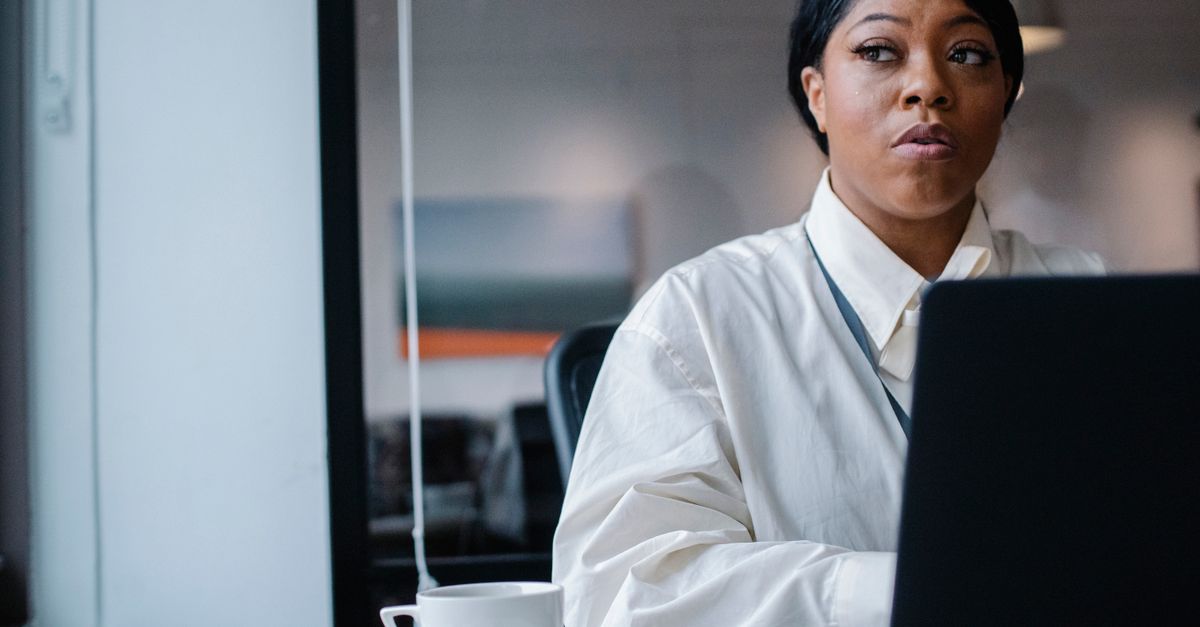
Backlight. You sit with a window or a bright wall behind you, so the camera exposes for the background and your face goes dark.
Room echo and fan noise. Bare walls, a standing fan, a generator two compounds away.
Power or network dying mid-call, with no plan B, so you disappear for six minutes and come back flustered.
Speaking too fast. Nerves plus a foreign listener plus a compressed audio stream is a bad combination.
Nigerian office idioms the interviewer has genuinely never heard, so a good answer lands as confusion.
Notice that four of the five have nothing to do with your skills. That is the whole argument for spending an hour on setup.
How do you get the light right without buying anything?
One rule: the light goes in front of your face, not behind your head.
The cheapest good setup in Nigeria is a window at midday. Sit facing it. Put the laptop between you and the window, so the daylight falls on your face and the camera is looking at a lit subject.
If the call is at night, or the light outside is going, you have options that cost nothing:
Sit facing your room light rather than under it. A bulb directly overhead casts shadows into your eye sockets.
Put a ring light or a phone torch propped behind the laptop, pointed at your face, with a white cloth or paper over it to soften it. Bare torchlight is harsh.
Move a table lamp to the far side of the laptop and angle it towards you.
A white wall or a white bedsheet on the opposite side of the room bounces light back and softens the shadows on your face.
Two more small things. Raise the laptop so the camera is at eye level, on a stack of books or a carton. A camera looking up your nose is unflattering and reads as unprepared. And look at the camera lens, not at your own face on screen, when you are making a point. It is the difference between eye contact and staring at the floor.
Why does sound matter more than video?
Because people forgive a slightly grainy picture and they do not forgive having to ask "sorry, could you repeat that" four times. Every repeat costs you a bit of the interviewer's patience and a bit of your own momentum.
What to do, in order of impact:
Use wired earphones with a mic. The ones that came with a phone are usually better than a laptop's built-in mic, because the mic sits near your mouth instead of near the fan. Bluetooth is a step down and can drop out.
Kill the fan for the call, or move it so it is not blowing across the mic. Sit somewhere else if the room becomes unbearable.
Close the windows if there is traffic, a generator, or a church or mosque nearby. Do it before, not when the noise starts. If the room turns into an oven with the fan off, cool it down well in advance and shut up ten minutes before the call rather than sitting in the heat for an hour.
Soften the echo. A bare tiled room with hard walls sounds like a bathroom. A bed, a curtain, a wardrobe, clothes on a rack, even a towel on the desk all absorb sound.
Tell the house. Ten minutes of quiet, agreed in advance with whoever is around, saves an interruption.
Test it properly. Record a two-minute video of yourself on the laptop you will actually use, in the room you will actually sit in, at the time of day the call happens. Play it back on your phone. You will hear the fan you had stopped noticing.
What do you do about NEPA and the data?
This is the part foreign advice never covers, and the part that most often ruins a Nigerian interview. Plan it like a small operation.
Power. Charge everything the moment light comes: laptop to full, phone to full, power bank to full. If you have an inverter or a UPS, confirm it is charged and know how many minutes it actually gives you, not how many the label claims. If you rely on a generator, fuel it the day before, not fifteen minutes before the call.
Network. Do not depend on one line. Keep a second SIM on a different network, because coverage in any given room varies wildly between MTN, Airtel, Glo and 9mobile. Buy the data the day before. Video calls eat far more data than voice, and the last thing you want is your bundle finishing while you are answering the salary question. Check your balance an hour before.
Test the actual spot. Network strength changes room to room and floor to floor. Run a test call from the exact chair you will sit in, at the same time of day, before the interview day.
What goes wrong
The cheap fix
The backup if it still happens
Light goes out mid-call
Laptop, phone and power bank fully charged in advance
Continue on the phone, camera on, and say so
Home broadband or router dies
Second SIM on a different network, tested from your seat
Hotspot from the phone, rejoin within a minute
Data bundle finishes
Buy more than you need the day before
Hotspot from the second SIM, then top up the first line
Plain and tidy. A wall, a curtain, a bookshelf that is actually arranged. That is it.
Things to move out of frame: laundry, an unmade bed, family photos with faces, anything with your address or documents on it, a mirror reflecting your screen.
On virtual backgrounds, use them only if your real background genuinely cannot be fixed. They eat processing power on an older laptop, they smear the edges of your head when you move, and they scream "hiding something". A clean wall beats a beach every time.
If someone else has to walk through the room, that is fine and human. Do not panic. "Apologies, that is my brother" and carry on is a perfectly good response, and interviewers who hire remote workers have seen everything.
Which platform will they use, and how do you not fumble the link?
Most likely Google Meet, Zoom or Microsoft Teams. Occasionally a recorded one-way tool where you get a question on screen and record your answer with no human present.
Do this the day before, not five minutes before:
Open the invite and see which platform it names.
Install the app if it needs one. On a phone the apps generally behave better than the browser version, and some features only work in the app.
Click the link once to see whether it asks you to sign in, or asks for camera and microphone permission. Grant those permissions in advance.
Check the name showing on your account. If your Google account displays as "Baby Girl", change it to your real name before the call.
Join five minutes early. Not thirty seconds.
Google publishes plain setup and troubleshooting instructions in the Google Meet Help Centre if you want to test the camera and mic beforehand.
For a recorded one-way interview, the rules change slightly. How many takes you get is set by the employer, sometimes one and sometimes more, and the tool tells you before the countdown starts. Write your key points on a sticky note placed just beside the camera lens, not on the screen below it, so your eyes stay up. Do a practice question first if the tool offers one.
How do you handle the timezone without doing this half asleep?
Nigeria runs on WAT, which is GMT+1 all year. That matters because the countries you are interviewing with change their clocks and Nigeria does not, so the gap moves twice a year.
When an invite says 10am, ask which timezone, or read the calendar entry carefully. Then convert once, write the Nigerian time in your own calendar, and set two alarms.
Rough shape of the day for common cases:
Employer timezone
Their 9am to 5pm lands in Nigeria at roughly
UK (London)
Mid-morning to early evening, near enough your own working day
US East Coast
Afternoon into late evening
US West Coast
Early evening until the early hours of the next morning
Central Europe
Roughly the same working day as yours
If you are given a choice of slots, pick one where you are awake, fed and the light is decent. Do not take the 11pm slot to look eager and then interview badly. And check whether the employer expects you to work those hours permanently, which is a separate question we cover in working US and UK hours from Nigeria.
What about your accent?
Keep it. Do not fake an American accent for 40 minutes. It slips, it sounds strained, and interviewers notice.
Clarity is what actually helps:
Slow down. Nerves speed everyone up, and audio compression eats fast speech. Deliberately pause at full stops.
Finish your consonants, especially at the end of words.
Cut the fillers. "Basically", "actually", "you know". Silence is better than filler.
Watch the idioms that do not travel. These are perfectly correct Nigerian English and they still confuse a foreign listener.
What we say here
What they will understand
I will revert
I will get back to you
Kindly do the needful
Please take care of it
He is not on seat
He is not available
The network is bad
My connection is unstable
We did the sensitisation
We ran the training or awareness session
I will flash you
I will call briefly, or better, avoid entirely
None of these are wrong. They are just local, and an interviewer who pauses to decode a phrase is not listening to your point.
The 24-hour and 30-minute checklists
The day before:
Confirm the platform and install the app.
Charge laptop, phone and power bank.
Buy data on both lines.
Test a call from the exact chair, at the same time of day.
Record two minutes of yourself and watch it back with sound.
Clear the background.
Reread the job post and your own CV.
Write your three or four key stories on one sticky note.
Thirty minutes before:
Close every other app and browser tab. They eat bandwidth and RAM.
Silence your phone, but keep it charged, reachable and beside you as the backup device.
Water within reach.
Tell the house.
Check your light one final time, since the sun has moved.
Join five minutes early.
What do you say when the connection drops anyway?
It happens to everyone, including the interviewer. What separates a good candidate is the recovery.
If the video freezes but audio is fine, say "I will turn my camera off for a moment to keep the audio steady" and carry on. Nobody minds.
If you drop entirely, rejoin on the same link immediately. If that fails, hotspot from your phone and rejoin. If that fails, send a one-line email or message from your phone at once: "Lost my connection, rejoining now."
When you are back, do not spend three minutes apologising. "Sorry about that, I was at the part about the migration project" and continue.
If you lose more than about ten minutes, offer to reschedule rather than push through a broken call.
Calm recovery is itself evidence you can work remotely. Every remote team on earth has had a call fall over.
How do you practise so you are not rehearsing on the real call?
Read your answers aloud, standing, at least once. Reading in your head hides the places where you ramble.
Record yourself answering "tell me about yourself" and watch it back. It is uncomfortable and it is the fastest fix available.
When you want a harder rehearsal, Mock Interview runs a practice interview against the actual role and gives you feedback on the answers, and Interview Prep works out the questions that specific job is likely to ask so you are not preparing blind. If your problem is that your good work comes out as a vague story, STAR Story Builder turns one real project into a tight answer with a beginning and an outcome.
One warning before you get to any of this. If the "interview" is on WhatsApp text only, if they will not show their face, or if there is a fee for equipment or training, stop. That is a script, not a job. We list the patterns in how to spot a fake remote recruiter.
Where does Sydicom come in?
Sydicom lists remote and hybrid roles that Africans can actually apply to, and applying to matched jobs is free. Getting the interview in the first place is the hard part, and it should not be spent on roles that were closed to Nigeria before you started.
Create a free profile to see what matches your experience, and the FAQ covers how the rest of it works.
The short version
Light in front of you, earphones with a mic, a second SIM and a charged power bank. Test in the exact chair, the day before, at the same hour. Speak slower than feels natural, drop the local office idioms, and if the line dies, rejoin and carry on without the long apology. The interview itself is the easy part once the room stops working against you.
Frequently asked questions
What is the best lighting for a video interview at home in Nigeria?
Daylight from a window in front of you, with the laptop between you and the window. At night, face your room light rather than sitting under it, or prop a phone torch or ring light behind the laptop with paper or cloth over it to soften it. Never sit with a bright window behind your head.
Should I use my laptop microphone or earphones?
Wired earphones with a mic, almost always. The mic sits near your mouth instead of near the laptop fan, and wired avoids the dropouts and pairing problems of Bluetooth. Test by recording two minutes in the same room at the same time of day.
What do I do if the light goes out during the interview?
Switch to your phone, camera on, and say plainly that you have had a power cut and are continuing from mobile. Keep the laptop, phone and a power bank fully charged before the call, and keep a second SIM on a different network as backup.
Should I use a virtual background?
Only if your real background genuinely cannot be fixed. Virtual backgrounds slow older laptops, smear around your head when you move, and read as hiding something. A plain wall or a tidy shelf works better.
Do I need to change my accent for a foreign interviewer?
No. Faking an accent slips and sounds strained. Focus on speaking slower, finishing your consonants, and swapping local office phrases like revert, do the needful and not on seat for their plain equivalents.
How early should I join the call?
Five minutes early, with the app already installed and camera and microphone permissions already granted the day before. Joining thirty seconds before is where the permission prompts and sign-in walls catch people out.
Apply faster with Sydicom
Sydicom matches you with verified jobs and tailors a custom CV and cover letter for each one, ready for you to review and send. You always click submit.